
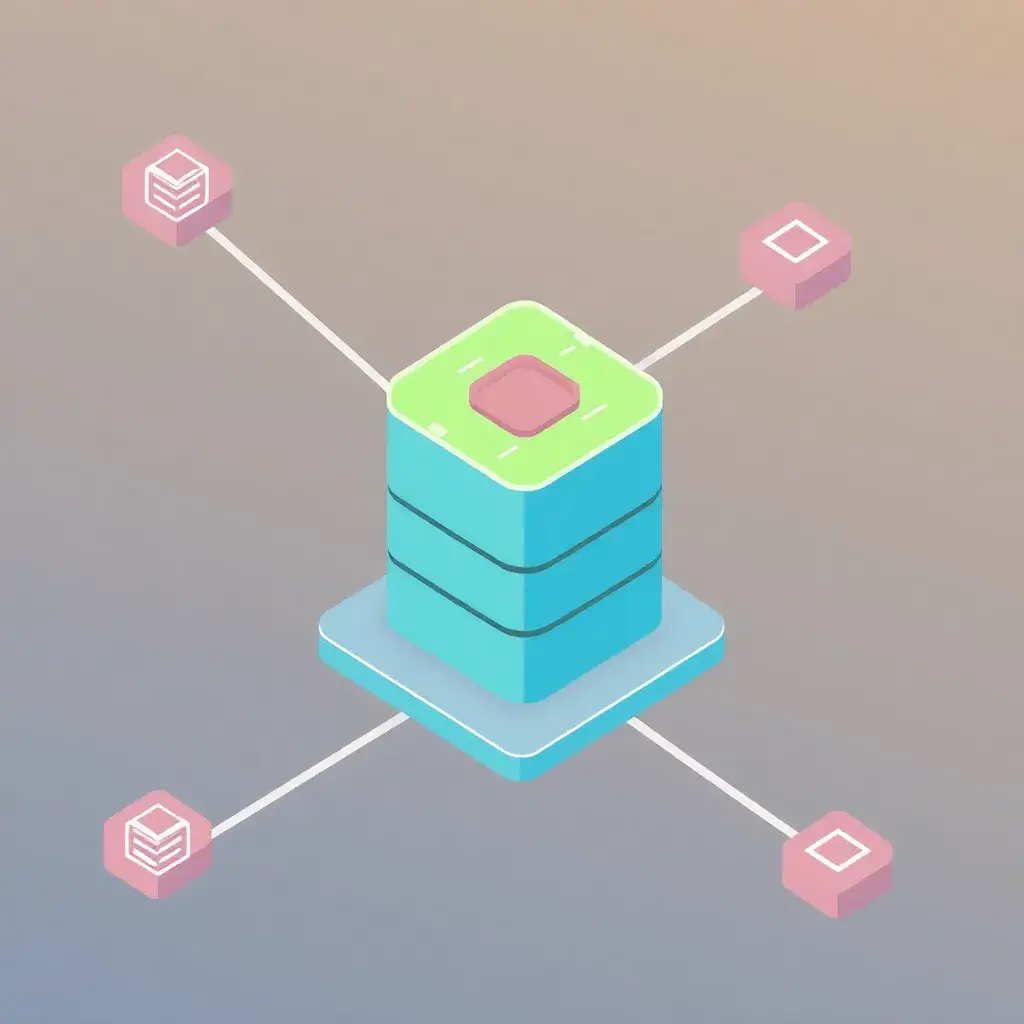
The integration of an MCP server within an existing Odoo system represents a significant advancement in enterprise resource planning (ERP) and business process automation. MCP, or Master Control Program, serves as a centralized hub for managing and optimizing various operational workflows, enhancing efficiency, and ensuring seamless communication between different modules. This article will explore the role of an MCP server within Odoo, its benefits, implementation challenges, and how it can transform business operations. By understanding the synergy between these two systems, organizations can unlock new levels of productivity and scalability.
The Role of MCP Server in Odoo Ecosystems
An MCP server acts as a backbone for the Odoo system, centralizing control over various processes such as inventory management, sales, procurement, and human resources. By integrating an MCP server, businesses can automate repetitive tasks, reduce manual intervention, and ensure consistency across departments. The server acts as a bridge between Odoo modules, enabling data synchronization and real-time updates. This centralized control enhances decision-making and provides a holistic view of operations, making it easier to identify bottlenecks and optimize workflows.
Benefits of Integrating MCP Server with Odoo
Integrating an MCP server with Odoo offers numerous advantages, including improved efficiency, reduced operational costs, and enhanced scalability. The MCP server streamlines complex workflows, allowing businesses to focus on strategic initiatives rather than routine tasks. Additionally, it ensures data integrity and minimizes errors by automating data entry and validation processes. The integration also supports customization, enabling businesses to tailor the system to their specific needs. By leveraging the combined power of Odoo and MCP, organizations can achieve faster response times, better resource allocation, and a competitive edge in their industry.
Implementation Challenges and Solutions
Despite its benefits, integrating an MCP server with Odoo can pose certain challenges. One of the primary hurdles is the complexity of the integration process, which requires technical expertise and careful planning. Compatibility issues between existing modules and the MCP server can also arise, necessitating thorough testing and customization. To overcome these challenges, businesses should collaborate with experienced consultants and leverage robust integration tools. Proper training for staff is also essential to ensure smooth adoption and maximize the system’s potential. By addressing these challenges proactively, organizations can ensure a successful implementation and reap the long-term benefits.
Real-World Applications and Success Stories
Several organizations have successfully integrated an MCP server with their Odoo systems, achieving remarkable improvements in productivity and operational efficiency. For instance, a manufacturing company reported a 30% reduction in processing time after implementing an MCP server to automate their production and inventory management workflows. Similarly, a retail business enhanced its customer service by integrating MCP with Odoo’s CRM module, enabling real-time order tracking and personalized marketing campaigns. These success stories highlight the transformative potential of this integration and serve as inspiration for businesses considering a similar approach.
In conclusion, integrating an MCP server within an existing Odoo system offers a powerful solution for optimizing business operations. By centralizing control, automating workflows, and ensuring data integrity, this integration enhances efficiency, reduces costs, and supports scalability. While implementation challenges exist, they can be mitigated with proper planning and expertise. Real-world success stories demonstrate the tangible benefits of this integration, making it a worthwhile investment for organizations seeking to stay competitive in today’s fast-paced business environment. By embracing the synergy between Odoo and MCP, businesses can unlock new levels of productivity and drive sustainable growth.
